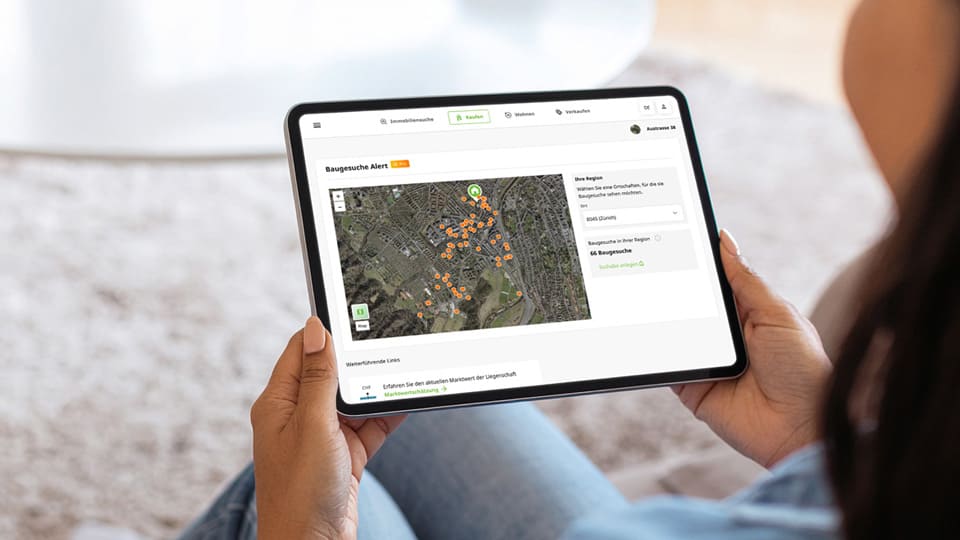
Building Alert Pro – All current building applications in your area at a glance
Discover building applications now


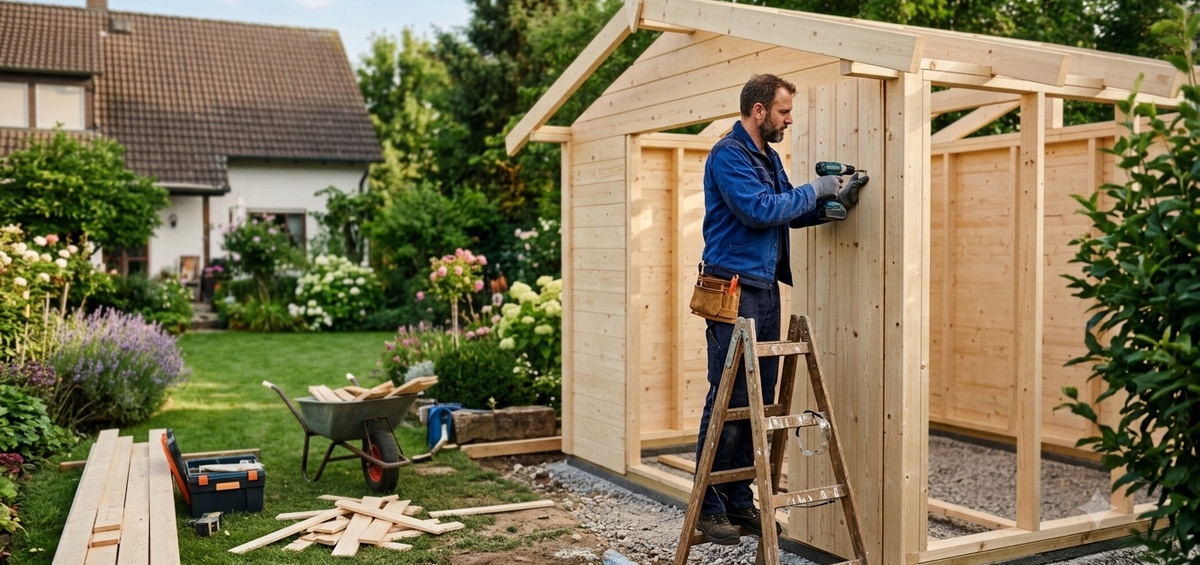
There is often uncertainty surrounding building permission for garden projects. Ask different homeowners whether a particular garden project requires building permission and you will almost always receive different answers: “A garden pond? No, surely that doesn’t require planning permission – it doesn’t block anyone’s view,” people might say. Or: “You want to put a garden shed on your patio? I don’t think you need permission for that.”
However, assumptions are no more helpful than good intentions. The only things that matter are the law and the building and zoning regulations of the relevant municipality. In this blog post, we clarify when you need building permission – and why it is always a good idea to speak to the authorities first.
{{building-permit}}
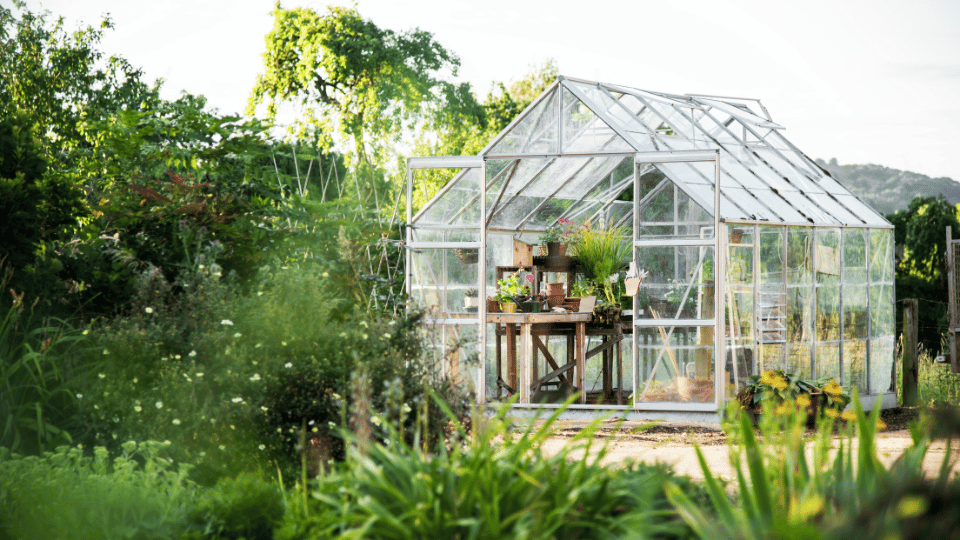
If you own a garden, you might argue that it is your own property and that you should therefore be free to do whatever you like on it. After all, such a project would not affect anyone other than yourself. However, let us look at some common garden construction projects – and their potential effects not only on your own property, but also on neighbouring properties, the municipality and the environment.
Conclusion: Many structures and installations affect the environment and neighbouring properties. It would therefore be a misconception to say, “This is my property, so I can do whatever I want on it.” What matters is what is stated in the relevant legislation – generally the cantonal planning and building act – and in the regulations of the municipality concerned, for example its building and zoning regulations.
Which structures require building permission and which do not varies from canton to canton and often even from municipality to municipality. As a general rule, cantonal building legislation and cantonal building regulations specify which projects require permission and which are expressly exempt.
Municipalities may, however, impose additional rules, for example concerning boundary distances, the protection of the local townscape or protected zones. The same pergola may therefore be treated differently in two neighbouring municipalities. Anyone who obtains information early can save time, money and disputes with both the authorities and their neighbours.
The following overview provides a general indication of whether you should clarify the building permission requirements for your project:
Many garden owners believe that only an extension to a house requires building permission. In fact, many structures and installations in gardens are also relevant under building law. In some cantons, case law provides, for example, that structures and installations placed at the same location for less than six months – and therefore used only seasonally – do not require building permission, whereas anything in place for longer does.
The decisive factor is therefore usually not only the size, but above all whether an installation is permanent, changes the appearance of the area or affects neighbouring properties. Boundary distances, water protection and regulations governing the appearance of the local area may also play a role. The requirements therefore vary from municipality to municipality.
A garden shed is one of the most common garden construction projects. At the same time, it is also one of the most frequent causes of disputes. Many owners assume that small garden sheds are automatically exempt from building permission.
In fact, many cantons have exceptions for very small structures, but these vary considerably. While some cantons require permission from just a few square metres, more generous limits apply elsewhere. If the garden shed is heated or used as a room in which people spend time, building permission is almost always required.
Whether a garden shed requires building permission depends on its size, use and the regulations of the relevant municipality.
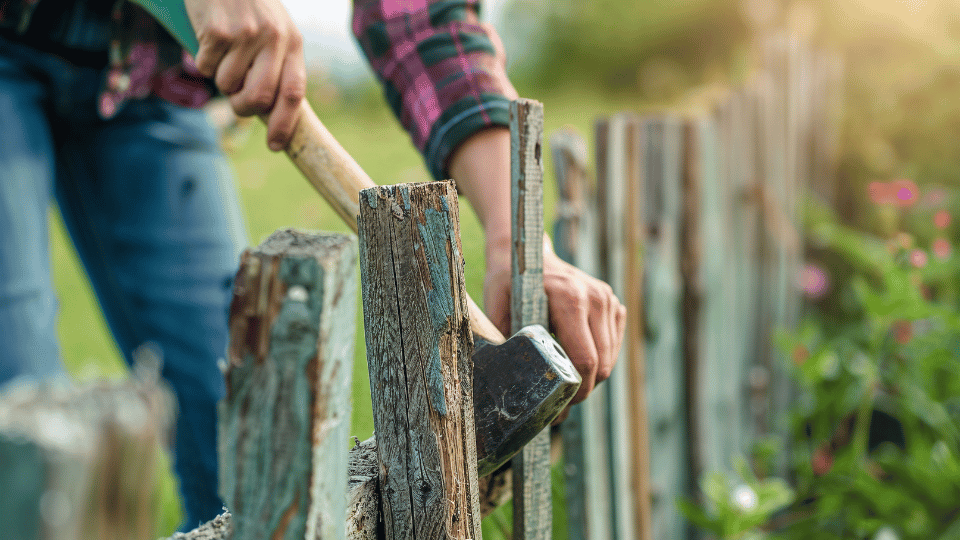
A garden wall can provide privacy or compensate for differences in ground level. Here too, you must comply with the applicable building regulations. Even relatively low walls or privacy screens may require building permission. Depending on the circumstances, boundary distances must be observed and the consent of neighbours may also be required. Along roads or on sloping sites, requirements relating to road safety or structural stability must also be taken into account.
The rules do not apply only to solid walls. Depending on the municipality, fences may also be subject to maximum heights or special requirements along roads. Hedges are additionally subject to minimum distances from neighbouring properties. Regularly trimming your hedge and observing the required boundary distances can prevent disputes later on.
Depending on the municipality, different requirements regarding height, location and boundary distances apply to garden fences and privacy screens.
Many property owners rely on statements such as:
“My neighbour did the same thing.”
“You can’t even see it from the road.”
“It’s only a small garden shed.”
“The pergola isn’t built on a foundation.”
“My garden shed has been there for 20 years, so it has long since become legal.”
None of these statements guarantees that a project is exempt from building permission. The applicable local building regulations and the specific design of the project are always decisive.
Regarding the statement about the 20-year-old garden shed: There is an extended protection of existing structures that allows buildings and installations within a building zone that do not comply with the zoning regulations to be renewed and, in some cases, altered. However, such projects repeatedly lead to legal disputes. There is no general right acquired through long-standing use. A structure that was built unlawfully may still be challenged by the relevant authorities or objecting parties even decades later.
The municipality may, for example, require a structure to be demolished – or require you to submit a retrospective building application.
To avoid legal disputes or arguments with neighbours, Houzy recommends clarifying the following important points before hiring a tradesperson or carrying out a construction project in your garden yourself:
Your first point of contact for all questions about building permission for garden projects is your municipality’s building authority. It can provide binding information about your specific project. Ask for this information in writing so that it can be included in the documentation for your construction project.

The larger, more permanent and more visible a garden installation is, the more important it is to check whether planning permission is required before construction begins. A phone call to your municipality’s building authority can prevent time-consuming and expensive corrective work, possible fines, legal disputes or even the subsequent dismantling of the structure.
Conclusion: There are no nationwide regulations that apply uniformly to all garden projects in Switzerland. What can be built without building permission in one municipality may require a formal planning application just a few kilometres away.
By the way: To ensure that you are informed about construction projects in your area as early as possible and never miss any deadlines for possible objections, the best option is to use Houzy Building Applications Pro. Our tool automatically notifies you as soon as a new planning application is submitted.